The Road That Built a Nation
1836 – 1869
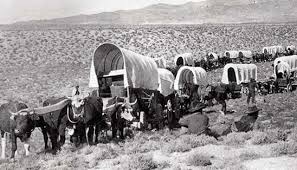
Between 1836 and 1869, more than 400,000 emigrants made the arduous overland journey from Missouri to the fertile valleys of Oregon. They carried everything they owned in canvas-covered wagons, driven by the promise of land and a new life in the American West.
This is their story of courage, hardship, loss and the indomitable human spirit that pressed onward through prairie, desert and mountain pass alike.
The Oregon Trail
A History of the Journey
The Beginning
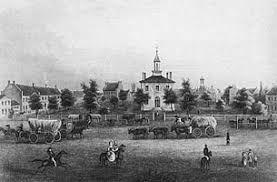
The trail originated at Independence, Missouri. In 1836, Marcus and Narcissa Whitman proved wagons could cross the Rockies, opening the route to families.
The "Great Migration" began in 1843 when over 1,000 emigrants assembled and set off in the first major wagon train, setting the template for decades of westward travel.
The Great Plains
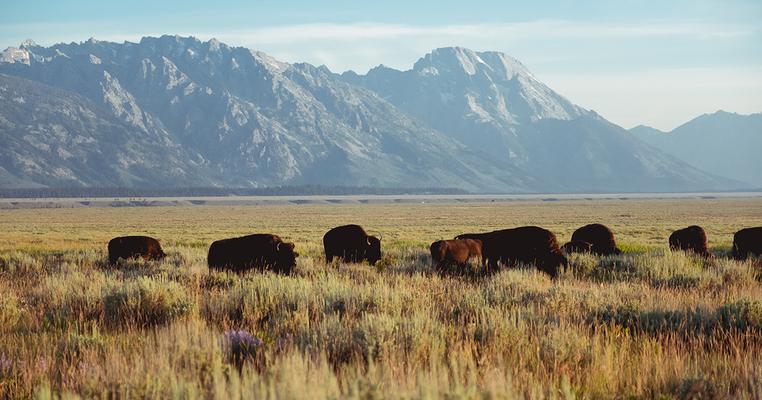
Emigrants followed the Platte River for nearly 400 miles across the flat grasslands of Kansas and Nebraska. The terrain was deceptively gentle but cholera struck without warning.
Grave markers lined the trail so thickly in the 1850s that one traveler wrote of passing a new mound every quarter-mile.
The Mountains
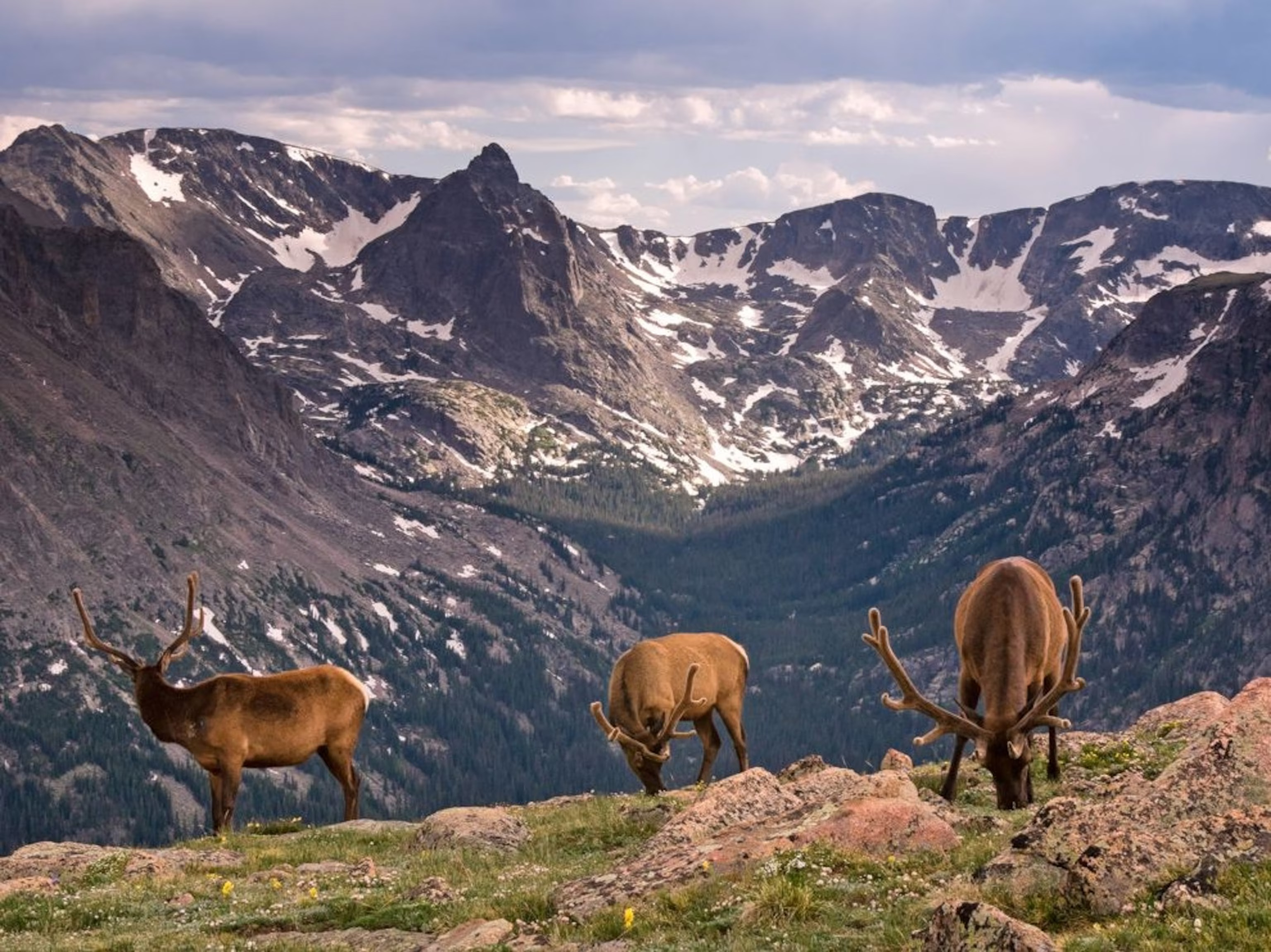
The Rockies were the trail's greatest physical challenge. migrants had to cross South Pass in Wyoming before mid-October, or face deadly snowfall as the Donner Party found in 1846.
Beyond the Rockies lay the Snake River desert and the Blue Mountains of Oregon, each wearing down men and livestock further.
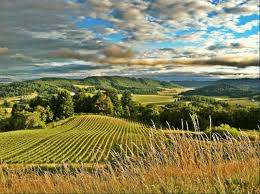
Journey's End
Survivors descended into the lush Willamette Valley, where rich volcanic soil promised harvests unlike anything in the worn-out lands of the East.
The trail's use declined after the transcontinental railroad was completed in 1869 but wagon ruts carved by 400,000 emigrants are still visible in Wyoming today.
Trail Landmarks
Waypoints & Wonders Along the Way
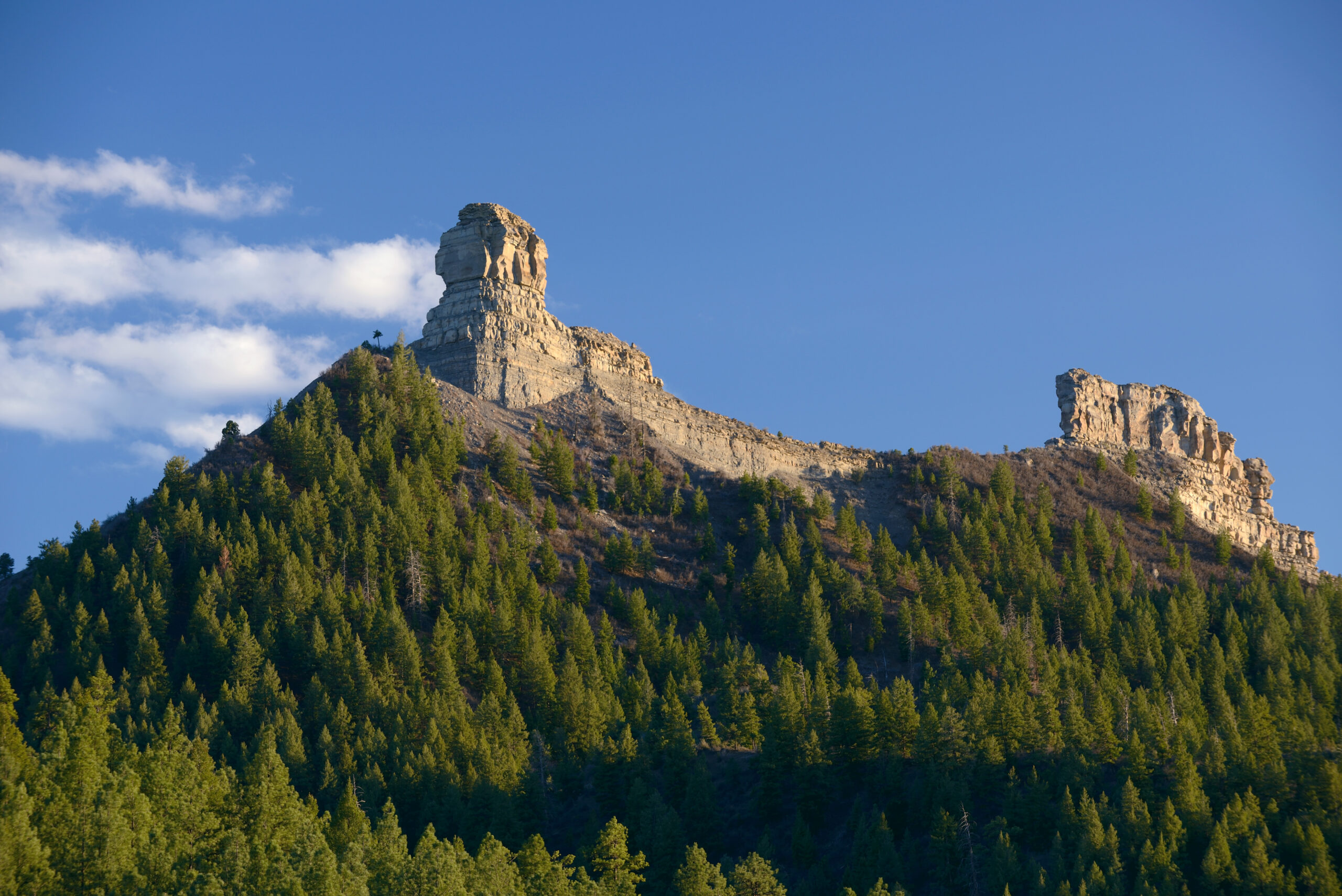
Chimney Rock
A 325-foot spire visible for days, it was the most recognised landmark on the trail, announcing the end of the plains and the beginning of the west.
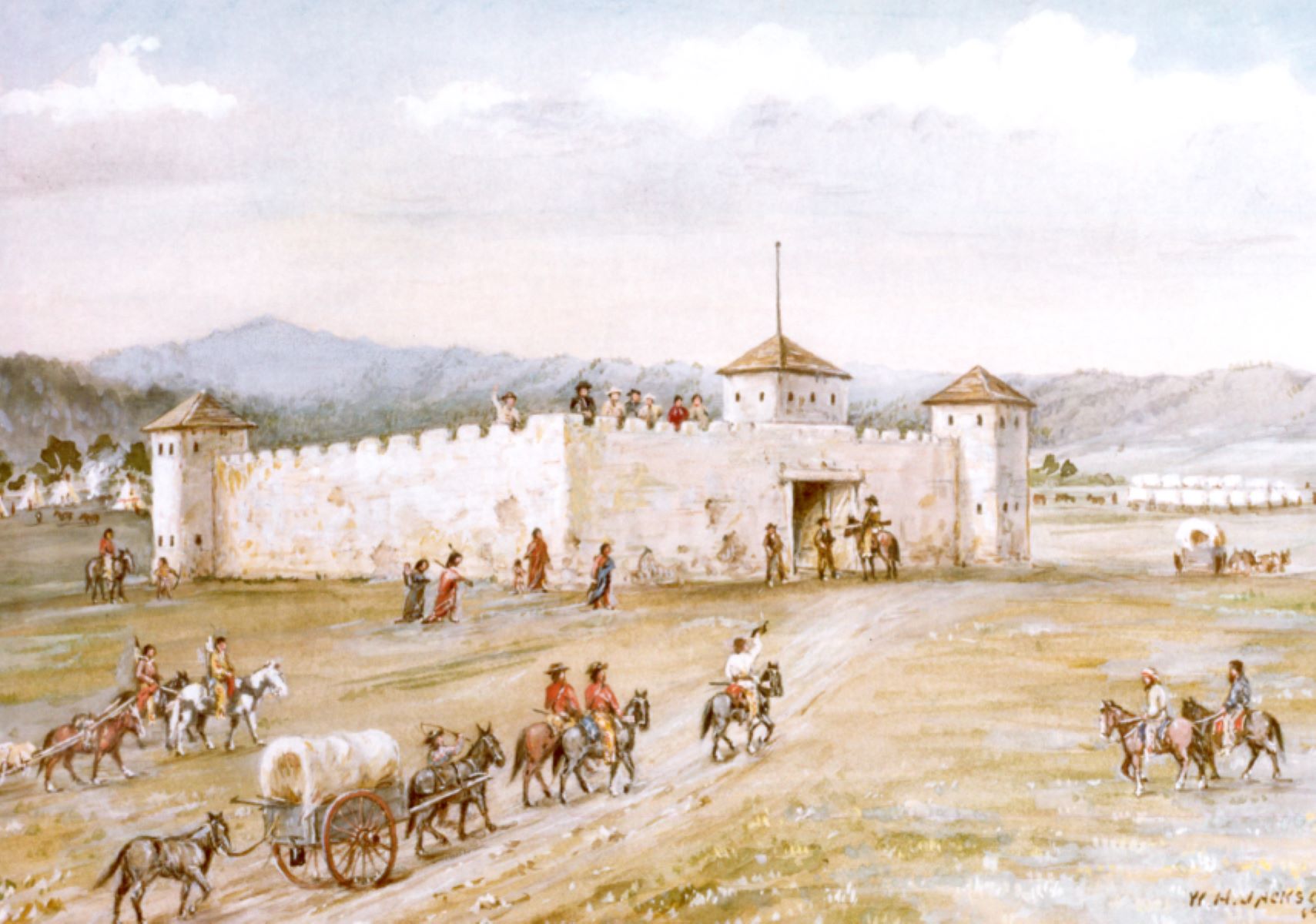
Fort Laramie
The first major resupply post, originally a fur-trading station. It became a U.S. Army garrison in 1849 and the site of critical treaties with the Lakota people.
Independence Rock
The "Great Register of the Desert", a granite dome covered in thousands of emigrant names. Reaching it by July 4th meant you were on schedule.
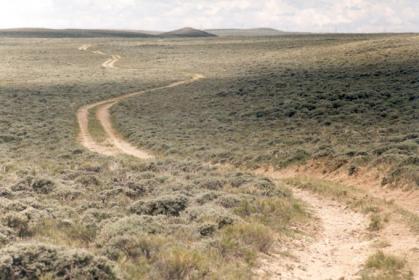
South Pass
A 20-mile-wide gap in the Continental Divide at 7,412 feet. Without South Pass, wagons could never have crossed the Rockies.
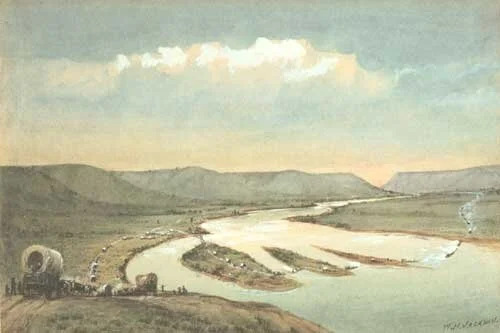
Three Island Crossing
The most dangerous ford on the trail. Migrants could attempt the treacherous Snake River crossing or take a longer desert detour. Many drowned here.
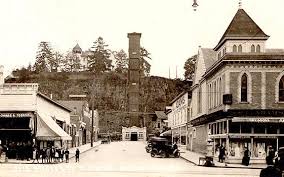
Oregon City
The official end of the trail and the first incorporated city west of the Rockies. Here, exhausted emigrants registered their land claims and began new lives.
The Pioneers
Stories of Those Who Walked
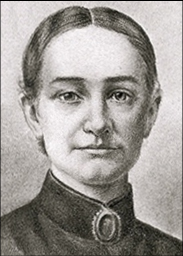
Narcissa Whitman
1808 – 1847 · Prattsburg, New YorkOne of the first two white women to cross the Rocky Mountains overland, Narcissa proved that women and wagons could survive the journey — opening the trail to family emigration.
She and her husband Marcus established the Whitman Mission near present-day Walla Walla, a vital rest stop for a decade before the Whitman Massacre of 1847.
"One thing is certain, the way grows no easier as we proceed."
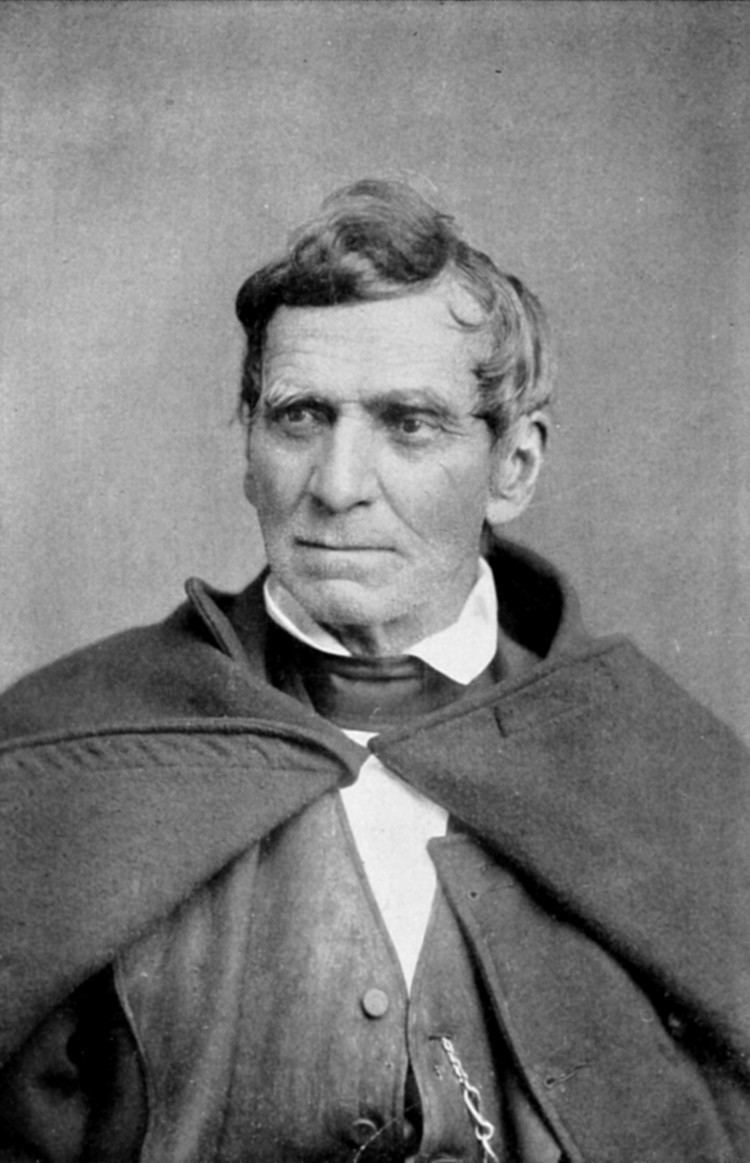
Jesse Applegate
1811 – 1888 · KentuckyA leader of the Great Migration of 1843, Applegate captained the "cow column" and wrote one of the most vivid first-hand accounts of trail life.
After his son drowned in a Columbia River crossing, he surveyed the Applegate Trail in 1846 as an alternative southern route to spare others the same fate.
"It is four o'clock A.M.; the sentinels have discharged their rifles. The hours of sleep are over."
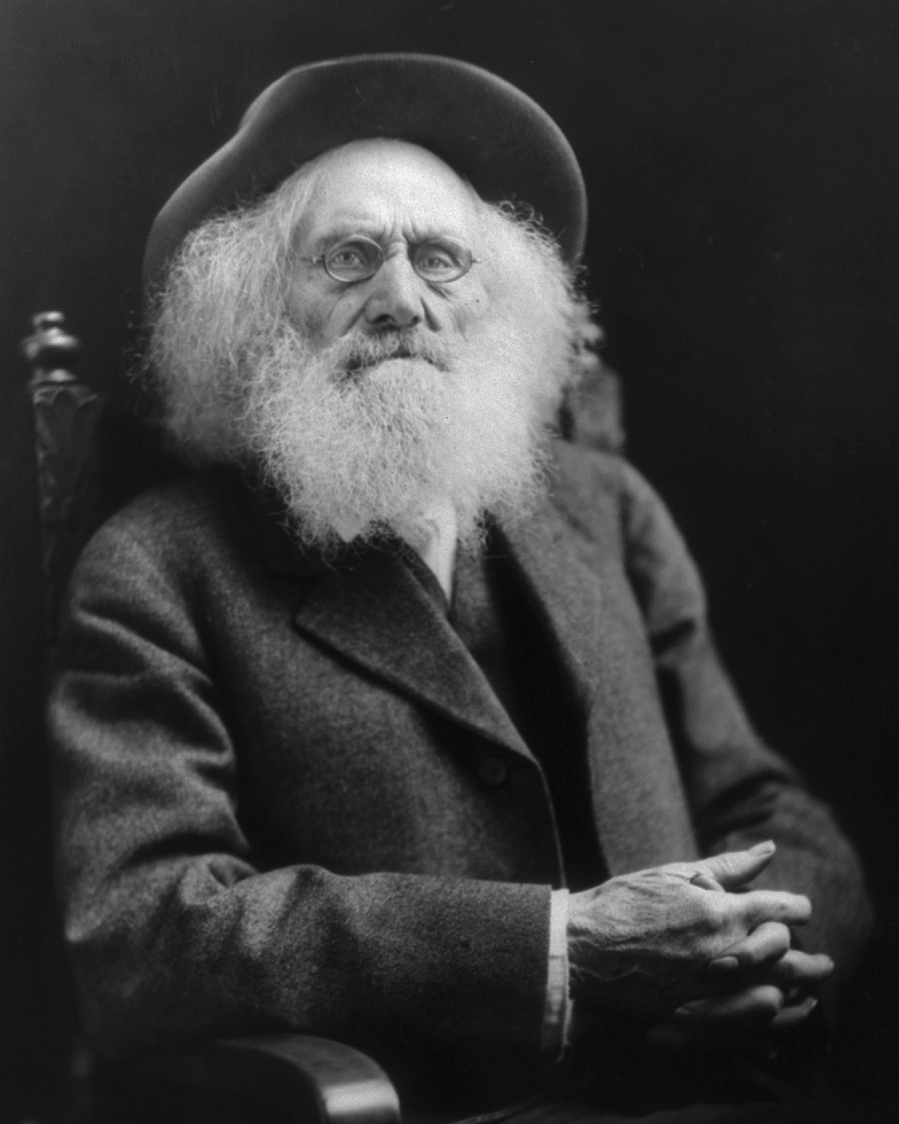
Ezra Meeker
1830 – 1928 · OhioMeeker emigrated west in 1852 at age twenty-two. Over fifty years later he retraced the trail by ox wagon to warn that the historic ruts were being ploughed under and forgotten.
He met President Roosevelt, lobbied Congress, and spent his final years ensuring the trail would be remembered. He died in 1928 at ninety-seven.
"Those ruts in the earth are the footprints of a nation."